Unlocking Enterprise AI: Seamless Integration of OneLake Files in Microsoft Foundry Knowledge
Microsoft Fabric Blog examines how native integration between OneLake and Azure AI Foundry Knowledge empowers teams to use all enterprise data in AI solutions, combining governance, security, and ease of access.
Unlocking Enterprise AI: Seamless Integration of OneLake Files in Microsoft Foundry Knowledge
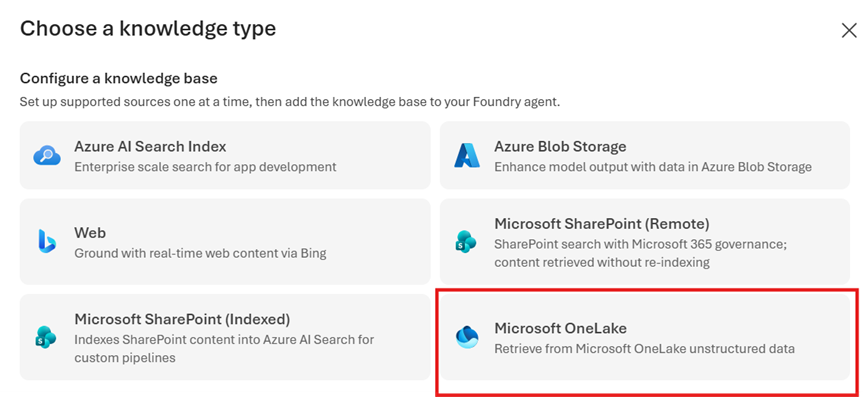
Microsoft Fabric’s OneLake is redefining enterprise data management. With native integration into Azure AI Foundry Knowledge, organizations can seamlessly leverage both structured and unstructured data for AI applications, eliminating duplicative storage and simplifying data pipelines.
What’s New
- Unified Access: AI agents can now ground their operations on the same curated data used for analytics, gaining secure, governed, and scalable access to OneLake’s datasets.
- Data Types Handled: OneLake covers structured tables and unstructured assets like documents, images, logs, and transcripts in one location—making it easier to use diverse enterprise data for AI and analytics.
- No Duplication: Data residing in OneLake or arrived through shortcuts (such as from Azure Data Lake Storage or Amazon S3) is immediately available for indexing and knowledge retrieval by Azure AI Foundry, avoiding extra copies or special prep.
- Security and Governance: Identity, access controls, and governance policies are centrally managed via Fabric and OneLake.
Enterprise Impact
Organizations can:
- Remove data silos between analytics and AI solutions.
- Innovate faster with comprehensive, centralized access to both structured and unstructured files for AI agents.
- Ensure robust data governance and security via integrated Microsoft controls.
Getting Started
For hands-on implementation details, see Microsoft’s official documentation:
This integration streamlines the pathway from enterprise data to actionable AI, letting teams answer complex business questions while maintaining strong data oversight.
This post appeared first on “Microsoft Fabric Blog”. Read the entire article here